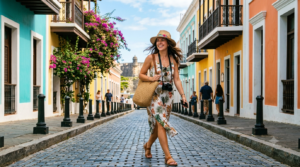
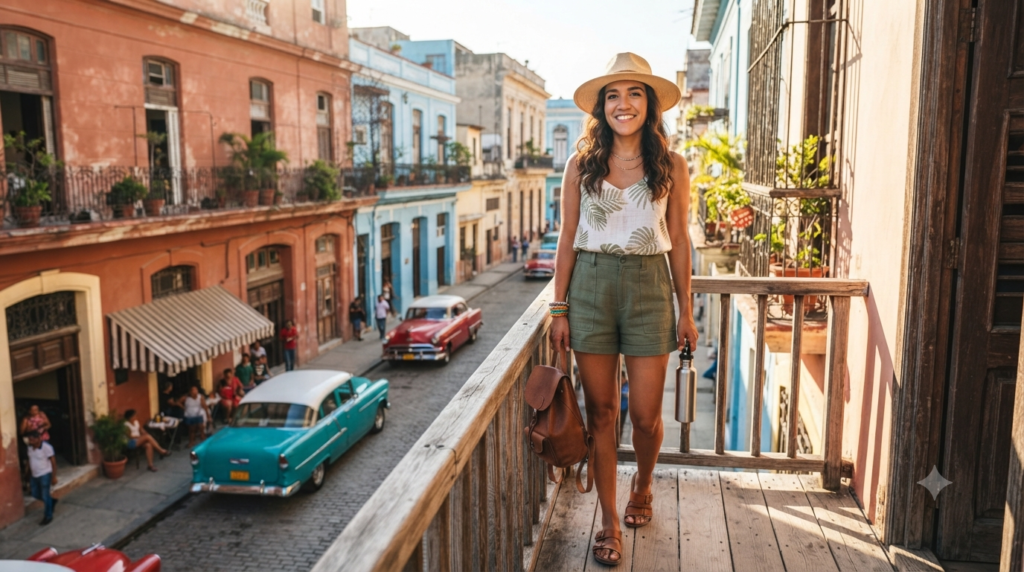
Cuba is one of the most visually captivating destinations on earth — vintage Chevrolets rolling through sun-drenched Havana streets, salsa rhythms drifting from open doorways, colonial architecture painted in brilliant turquoise and gold. Knowing what to wear in Cuba helps you dress comfortably in the heat while respecting local culture and embracing the island’s unmistakable style.
Cuba’s Climate: What to Expect
Cuba has a tropical climate with two distinct seasons. The dry season (November–April) brings sunny days of 22–28°C (72–82°F) with lower humidity — ideal travel conditions. The wet season (May–October) is hotter at 28–35°C (82–95°F) with high humidity and afternoon thunderstorms. Hurricane season runs June through November, with September and October the most active months. Year-round, lightweight breathable clothing is the priority.
What to Wear in Cuba: The Essential Wardrobe
Lightweight Breathable Fabrics
Cuba’s heat and humidity make fabric choice crucial. Prioritise linen, cotton, and moisture-wicking synthetic blends over polyester or heavy fabrics. Linen trousers, cotton sundresses, and lightweight linen shirts are your best friends. Light colours reflect heat and keep you cooler — white, cream, pale blue, and yellow work beautifully in Cuba’s photogenic streets.
Sundresses and Skirts
Flowy sundresses and midi skirts are perfect for Cuba’s heat and add a touch of effortless style to city exploring. Wrap dresses in tropical prints suit the Caribbean atmosphere beautifully. Bring at least two or three versatile dress options that work for both daytime sightseeing and casual evening dining.
Lightweight Shorts and Trousers
Linen trousers are ideal for men and women visiting more formal or religious sites where shorts may not be appropriate. Lightweight linen or cotton shorts work well for beach days, casual city walking, and day trips. Avoid heavy denim — it’s uncomfortable in tropical heat and takes forever to dry.
Breathable Tops
Pack loose cotton or linen shirts and blouses rather than fitted tops. Cuban guayabera shirts — the traditional embroidered men’s shirts — are perfect for the climate and deeply tied to Cuban culture. Women can embrace ruffled cotton blouses, simple linen tanks, and lightweight button-downs that can be tied at the waist for a relaxed tropical look.
Comfortable Sandals and Walking Shoes
Comfortable sandals are essential for Havana’s streets, but choose pairs with adequate support — you’ll walk significantly more than expected on Cuba’s uneven pavements and cobblestones. Leather sandals or supportive flat sandals work well. Pack a pair of clean trainers or lightweight walking shoes for longer excursions. Avoid flip-flops as your sole walking shoe.
Sun Protection Accessories
A wide-brimmed hat is essential in Cuba — the Caribbean sun is intense year-round. Panama hats are classic and culturally appropriate; straw sun hats work beautifully too. Bring quality UV-protective sunglasses. A lightweight scarf doubles as beach cover-up, sun protection, and modesty layer when visiting religious sites.
What to Wear in Cuba by Season
Dry Season (November–April)
The best time to visit Cuba. Temperatures of 22–28°C (72–82°F) with lower humidity make sightseeing comfortable. Pack light sundresses, linen trousers, cotton tops, and breathable shorts. Evenings in December and January can feel cooler — bring a lightweight cardigan or long-sleeve layer. This is peak tourist season and the most comfortable time for extensive city walking.
Wet Season (May–October)
Hot, humid, and occasionally stormy. Temperatures reach 32–35°C (90–95°F) with very high humidity. Dress in the lightest possible fabrics — loose linen and cotton only. A compact umbrella or packable rain poncho handles afternoon showers. Morning sightseeing is advisable before afternoon storms. Fewer tourists mean lower prices and a more authentic local experience.
What to Wear for Key Cuba Activities
Exploring Havana’s Streets
Havana is a photographer’s paradise. Dress in colours that complement the city’s vibrant architecture — tropical prints, white linen, bright cottons. Comfortable walking sandals or trainers are essential. A crossbody bag keeps hands free for photography while deterring pickpockets. Light layers for the afternoon as air-conditioned interiors can be surprisingly cold.
Salsa Dancing and Nightlife
Cuba’s nightlife centres around salsa, son, and live music at venues like Casa de la Música and El Floridita. Women typically wear fitted dresses or skirts that allow free movement — wrap dresses and swingy midi skirts are perfect for dancing. Men opt for lightweight trousers and a guayabera or smart casual shirt. Comfort for dancing is paramount; avoid restrictive or very formal attire.
Varadero Beach Days
Varadero’s white sand beaches call for classic beach attire: swimsuit or bikini, lightweight cover-up, wide-brimmed hat, and sandals. Reef-safe sunscreen is strongly encouraged. A sarong or lightweight pareo works as both cover-up and beach blanket. Bring a tote bag for beach essentials.
Visiting Churches and Cultural Sites
Cuba’s many colonial churches and cultural institutions require modest dress. Shoulders should be covered and skirts or shorts should fall to at least the knee. A lightweight scarf or cardigan carried in your bag easily provides the needed coverage when required at religious sites.
Trinidad and Colonial Town Visits
Trinidad’s cobblestone streets and colonial architecture are best explored in the morning before the heat builds. Comfortable walking sandals with arch support are essential — the uneven cobblestones are beautiful but demanding on feet. Light cotton or linen in bright colours photographs brilliantly against the colonial backdrop.
Cultural Dress Considerations in Cuba
Cubans take pride in their appearance despite economic challenges. Locals dress smartly, especially in the evenings. While tourists are not expected to match local standards, making an effort to dress neatly for restaurants and evening venues is appreciated. Avoid overly revealing clothing outside beach areas. Beachwear stays at the beach — don’t walk through city streets in swimsuits.
What NOT to Wear in Cuba
Avoid heavy fabrics like denim, thick cotton, and synthetic materials that trap heat. Don’t pack formal business attire — it has no place in Cuba’s casual tropical culture. Skip heavy jewellery and luxury accessories that draw unwanted attention. Avoid military-style clothing or camouflage — it’s illegal for tourists to wear in Cuba. Don’t wear swimwear in city centres or restaurants.
Cuba Packing List
- 2–3 lightweight sundresses or linen skirts
- Linen trousers (men and women)
- Lightweight cotton or linen tops and shirts
- Guayabera shirt (men) or ruffled cotton blouses (women)
- Comfortable sandals with support
- Lightweight trainers or walking shoes
- Wide-brimmed sun hat
- UV-protective sunglasses
- Lightweight scarf or cardigan
- Compact umbrella or rain poncho
- Swimsuit and cover-up
- Reef-safe sunscreen
- Small crossbody bag
Final Style Notes for Cuba
Cuba rewards those who dress with colour and spirit. The island has an inherent style — vibrant, joyful, and warm — and your wardrobe can reflect that energy. Prioritise breathable fabrics, comfortable footwear, and sun protection above all else. Embrace tropical prints, linen textures, and light colours that complement the extraordinary backdrop of vintage cars, colonial plazas, and Caribbean seas. Pack light, move freely, and let Cuba’s irresistible rhythm carry you through.
The Essential Cuba Packing List
Clothing — Tops
- Lightweight cotton or linen T-shirts (x5–6) — The Cuba daily staple. Light colours reflect heat. Loose fits are more comfortable in humidity.
- Linen shirts (men) (x2–3) — Packable, breathable, and smart enough for restaurant evenings. Guayabera shirts are culturally appropriate and available locally.
- Cotton or linen blouses (women) (x2–3) — Ruffled cotton blouses and linen button-downs work beautifully in Cuba’s aesthetic.
- Light cardigan or long-sleeve layer (x1) — For air-conditioned interiors (restaurants, taxis, and buses can be very cold) and evening sea breezes.
Clothing — Bottoms
- Lightweight linen or cotton trousers (x2) — For visits to churches, colonial cities, and smarter restaurants.
- Comfortable shorts (x2–3) — For beach days, casual city walking, and hot weather exploring.
- Sundresses or maxi dresses (women) (x2–3) — Versatile, cool, and perfect for Cuba’s colourful streetscapes.
- Light skirts (women) (x1) — For dancing nights and casual evenings.
Beach and Water Wear
- Swimsuits / bikinis (x2) — Two so one is always dry. Essential for Varadero, Trinidad beach, and hotel pools.
- Swim trunks (men) (x2)
- Lightweight beach cover-up or sarong (x1) — Required for moving from beach to restaurant. Resort dining areas typically require cover-ups.
- Rash guard — For snorkelling and extended beach time. Protects from sun and jellyfish stings.
Footwear
- Comfortable walking sandals — With arch support. Cuba’s cities involve significantly more walking than expected on uneven pavements.
- Flip-flops — For beach and pool use only.
- Lightweight clean trainers — For longer city walks and excursions requiring more support.
- Versatile evening shoes (women) — A pair of block-heeled sandals or flat dressy sandals for salsa nights.
Accessories
- Wide-brimmed sun hat — Essential for Havana streets, Trinidad, and beach days. The Caribbean sun is intense year-round.
- UV-protective sunglasses — Polarised lenses are especially useful near water.
- Lightweight scarf — For modesty at churches and as a cover-up in cold air-conditioned spaces.
- Small crossbody bag — Keeps hands free for photography and deters petty theft in busy tourist areas.
Sun and Skin Protection
- SPF 50+ sunscreen (x2 large bottles) — Sunscreen is expensive and hard to find in Cuba. Bring all you need from home. Reef-safe formula for snorkelling.
- Aftersun lotion or aloe vera gel — For sunburn relief. Essential, not optional, in Cuba’s sun.
- Insect repellent — Mosquitoes are present, particularly in Trinidad and rural areas. DEET-based repellent is most effective.
- Lip balm with SPF
Toiletries — Critical Cuba-Specific Notes
- All toiletries from home — Cuba’s tourist infrastructure has improved but toiletry availability remains limited and expensive. Bring everything: shampoo, conditioner, toothpaste, deodorant, feminine hygiene products, contact lens solution, and any specific skincare.
- Hand sanitiser (large bottle) — Soap is not always available in public bathrooms.
- Toilet paper (small rolls) — Carry in your day bag; many public bathrooms don’t provide it.
- Prescription medications (full supply plus extra) — Cuba’s pharmacies have severe stock shortages. Bring all medications you need plus a backup supply.
Money and Documents
- Cash in Euros or Canadian Dollars — US credit and debit cards do not work in Cuba due to sanctions. Exchange euros or Canadian dollars at CADECA exchange houses (casas de cambio). Bring all cash you’ll need for the trip.
- Passport (valid 6+ months)
- Travel insurance documentation — Cuba requires proof of travel insurance with medical coverage for entry. Carry printed proof.
- Cuban tourist visa (Tarjeta del Turista) — Required for most nationalities. Purchased at the airport or through your airline/travel agent.
- Hotel bookings printed — Wi-Fi is limited in Cuba; having printed confirmations is practical.
Electronics and Connectivity
- Travel adapter — Cuba uses both Type A (US-style) and Type C (European) plugs. A universal adapter is safest.
- Portable power bank — Power cuts occur; a charged power bank keeps your phone alive.
- Unlocked smartphone — Cuban SIM cards (ETECSA) are available for tourists and provide data access, though speeds are slow.
- Offline maps downloaded (Maps.me or Google Maps offline) — Wi-Fi hotspots require purchase of ETECSA scratch cards; offline maps are invaluable.
- VPN app installed before travel — Social media and some websites are restricted in Cuba; a pre-installed VPN may help on Wi-Fi.
- Camera — Havana is one of the world’s most photogenic cities. Bring plenty of memory cards.
Day Bag Essentials
- Cash for the day (most businesses are cash-only)
- Reusable water bottle (tap water is not reliably safe to drink; buy bottled or use filtered water)
- Sunscreen and lip balm
- Insect repellent
- Toilet paper and hand sanitiser
- Offline maps
- Camera
- Light snacks (food availability can be unpredictable on travel days)
Cuba Packing List by Season
Dry Season (November–April)
Best time to visit. Pack your full tropical wardrobe with an extra light layer for January/February evenings. Conditions are ideal for sightseeing, beach time, and outdoor excursions.
Wet Season (May–October)
Add a compact rain poncho for afternoon showers. Pack the lightest possible fabrics — heat and humidity are at their peak. A small travel umbrella is useful for city days.
Cuba-Specific Packing Tips
Bring small gifts (soap, over-the-counter medicines, stationery, clothes) to give to local families if staying in casas particulares — this tradition called “gifts” is deeply appreciated and helps families who face shortages. Don’t pack military or camouflage clothing — it’s illegal for tourists to wear in Cuba. Leave space in your luggage for Cuban art, handmade goods, and rum purchased locally.