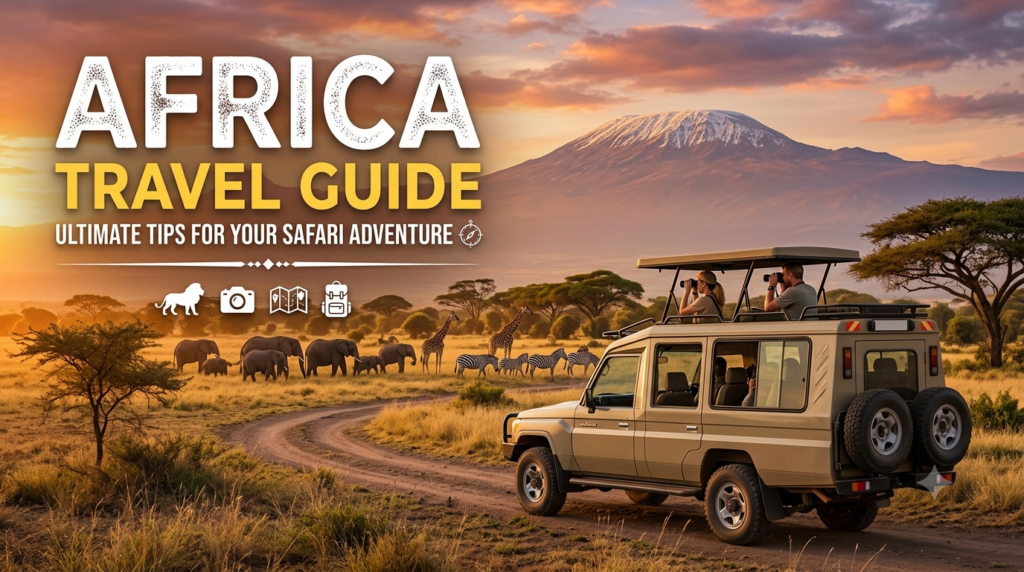
Great Migration — 1.5 million wildebeest move between Tanzania and Kenya annually — nature’s greatest spectacle
Big Five — Lion, leopard, elephant, buffalo, rhino — the original safari wildlife checklist term
Kilimanjaro — Africa’s highest peak at 5,895m — climbable without technical equipment by fit trekkers
Morocco — Africa’s most visited country for international tourists — Marrakech medina is a UNESCO site
Cape Town — Consistently voted Africa’s most liveable and most beautiful city for international visitors
Africa Is the World’s Most Extraordinary Travel Continent
Africa contains more genuine once-in-a-lifetime experiences than any other travel region — the largest land animal migration in the world, the most biodiverse savannah ecosystems on Earth, ancient civilisations that dwarf most of human recorded history, the world’s largest hot desert, and landscapes of such dramatic beauty that photographs rarely capture their full reality. This guide covers Africa’s greatest travel experiences, from the Serengeti to the Sahara, Kilimanjaro to Cape Town.
Safari Travel: The Greatest Wildlife Experience on Earth
A properly planned African safari delivers encounters with wild animals at a scale and intimacy unavailable anywhere else in the world. The difference between a great safari and an average one comes down primarily to three factors: destination selection, camp or lodge quality, and time of year.
Tanzania: The Serengeti is the world’s premier safari destination — the ecosystem that contains the Great Migration, where 1.5 million wildebeest and hundreds of thousands of zebra move between Tanzania and Kenya’s Masai Mara in search of rain-fed grass. The Ngorongoro Crater — a collapsed volcanic caldera containing the world’s densest concentration of big game — consistently produces extraordinary wildlife encounters in its enclosed 260 square kilometre ecosystem.
Kenya: The Masai Mara in southwestern Kenya is where the northern portion of the Great Migration unfolds each year from July to October, including the dramatic Mara River crossings where wildebeest swim through crocodile-filled waters in vast columns. Amboseli National Park offers iconic views of elephant herds against the backdrop of Kilimanjaro.
Botswana: The Okavango Delta — a vast inland river delta that spreads into the Kalahari Desert each year — creates a unique ecosystem accessible only by mokoro canoe and small aircraft. Botswana’s commitment to low-volume, high-value tourism produces the most exclusive and least crowded safari experiences in Africa, at correspondingly premium prices.
South Africa: Kruger National Park delivers safari experiences accessible to self-drive visitors, making it the most budget-accessible major safari destination in Africa. The private game reserves adjacent to Kruger (Sabi Sand, Timbavati) offer luxury lodge experiences with outstanding leopard and lion sightings.
Cape Town: Africa’s Most Beautiful City
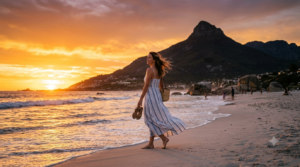
Cape Town consistently ranks as Africa’s most desirable city for international visitors — the combination of Table Mountain rising dramatically from the city centre, the Cape of Good Hope’s extraordinary coastal scenery, world-class winelands in the Winelands region (Stellenbosch, Franschhoek), and a vibrant restaurant and arts scene make it uniquely comparable to the world’s great cities in liveability and beauty. The cable car ascent of Table Mountain produces one of the world’s great urban landscape views — the entire Cape Peninsula stretching south, the Atlantic and Indian Ocean meeting to the east.
Morocco: Africa’s Gateway and Exotic Wonder
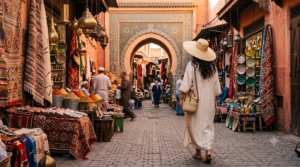
Morocco is Africa’s most visited country for international tourists, and Marrakech its most visited city — the medina (old city), a UNESCO World Heritage site, contains the labyrinthine souks, the famous Djemaa el-Fna square (where snake charmers, musicians, storytellers, and food stalls converge each evening), and the extraordinary Koutoubia Mosque. Beyond Marrakech, the Sahara Desert camps of Merzouga and Zagora offer camel trekking and desert camp experiences under extraordinary star-filled skies, and the blue city of Chefchaouen is among Morocco’s most visually distinctive and photographed destinations.
Climbing Kilimanjaro
Africa’s highest peak at 5,895 metres is the world’s highest freestanding mountain and one of the world’s most achievable high-altitude summits — it requires no technical climbing equipment or prior mountaineering experience, only good physical fitness and altitude acclimatisation. The Lemosho and Machame routes offer the best scenery and highest summit success rates. The summit attempt from Kibo Hut at midnight is one of the most physically demanding and emotionally overwhelming experiences available to travellers — arrival at Uhuru Peak at dawn, above the clouds of the African continent, is a genuinely life-defining moment for most who complete it.
For planning your Africa trip, see our world destinations guide and our complete packing guide for safari essentials.
Frequently Asked Questions
When is the best time to go on safari in Africa?
The dry season (June-October) is best for most East African safari destinations — vegetation is lower, water sources concentrate animals at predictable locations, and fewer mosquitoes reduce malaria risk. January-March in Tanzania’s Ndutu area is extraordinary for wildebeest calving. July-October in Kenya’s Masai Mara produces the famous Mara River wildebeest crossings.
How much does an African safari cost?
Budget self-drive safari (South Africa Kruger, own camping): $100-200 per day. Mid-range Tanzania safari (group tours, comfortable lodges): $300-500 per person per day. Luxury private camp safari (Botswana, Tanzania premium camps): $800-2,500+ per person per day all-inclusive. The price range is extraordinary — research what is included (flights, park fees, meals, game drives) carefully when comparing.
Do I need vaccinations for Africa travel?
Yes — a travel health clinic consultation is essential before Africa travel. Yellow fever vaccination is required entry documentation for many sub-Saharan countries. Malaria prophylaxis is strongly recommended for most safari destinations. Typhoid and hepatitis A are standard recommendations. Visit a travel health clinic 6-8 weeks before departure for personalised advice for your specific itinerary.
Is Morocco safe for solo female travellers?
Morocco is generally safe for solo female travellers with appropriate preparation — modest dress in medinas and rural areas, awareness of persistent vendor culture in tourist souks, and research into current conditions in specific areas. The major cities are well-traversed by international visitors including solo women. Joining a tour for Sahara desert excursions and remote areas is worth considering for solo visitors.
Can anyone climb Kilimanjaro?
Any reasonably fit adult without significant cardiovascular or respiratory conditions can attempt Kilimanjaro — it requires no technical skills, only determination and good pace management for acclimatisation. Summit success rates vary by route and individual fitness: Lemosho (8 days) achieves 85-90% success; the shorter Marangu (5-6 days) achieves 50-65%. The longer routes allow better acclimatisation and dramatically improve summit chances.
Africa Changes You
Every traveller who witnesses the Great Migration, stands at the rim of the Ngorongoro Crater, or reaches the summit of Kilimanjaro at dawn returns describing something beyond ordinary travel experience. Africa’s scale, wildness, and the undimmed intensity of its natural world produce encounters that most of the comfortable, insulated modern world has lost access to. It is worth every complexity of getting there.
✈️ Trip Essentials
Affiliate links — we may earn a small commission at no extra cost to you.
Safari lodges, Cape Town boutique hotels and Zanzibar beach resorts.
Discover top-rated tours and experiences worldwide. Instant booking, free cancellation on most activities.